
Digital Activism and Student Wellbeing: Reducing Distractions for Smarter Youth
Executive Summary
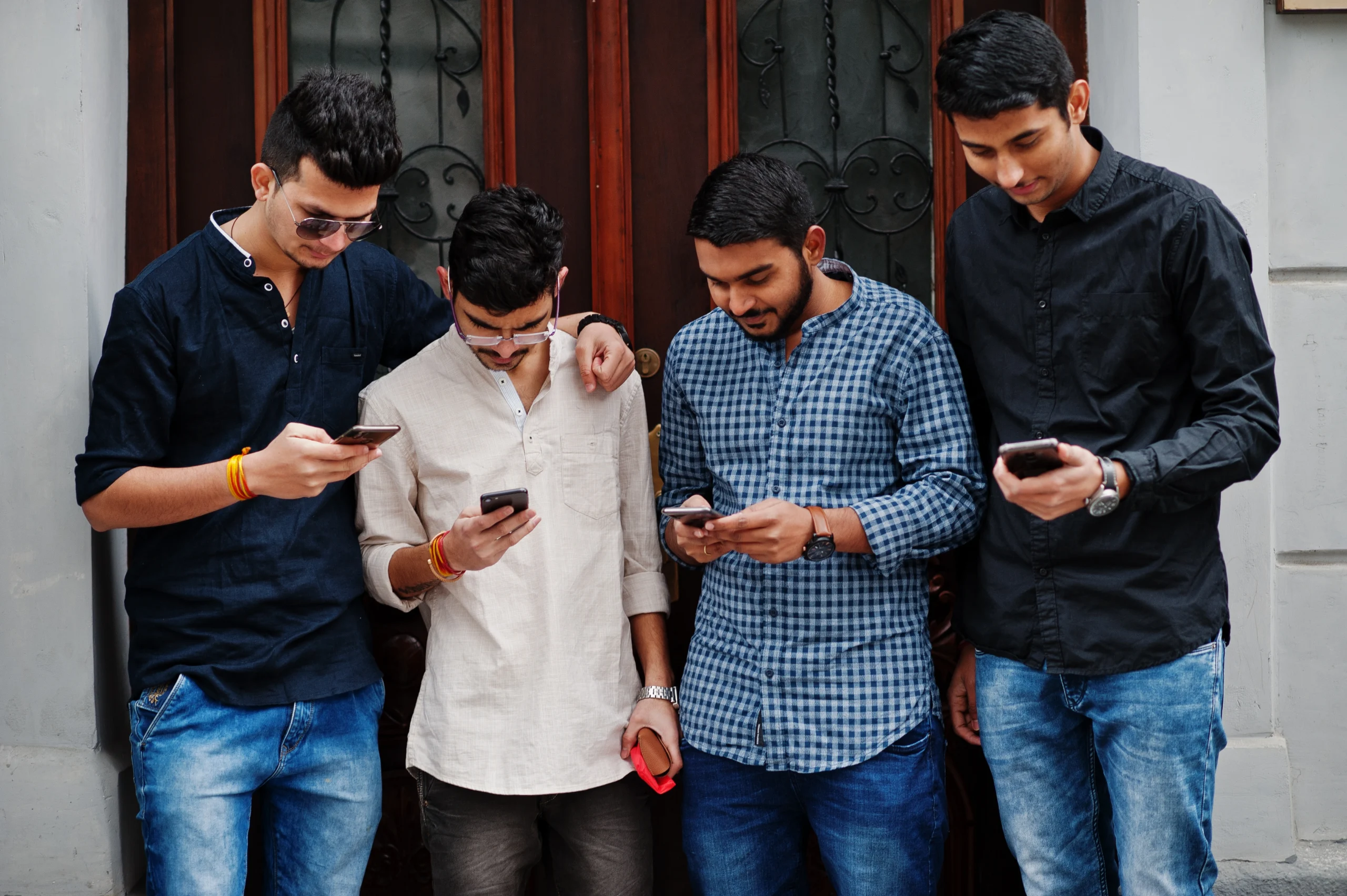
Smartphones are now ubiquitous among young people – but their impact cuts both ways. Research shows excessive phone use can impair students’ focus and health, while online tools also power youth-led social change. For example, a meta-analysis found that in India roughly 39–44% of adolescents meet criteria for smartphone addiction, with “significant negative health risks and harmful psychological effects” noted among heavy users. Globally, worrying trends have emerged: 50% of U.S. teens spend ≥4 hours/day on screens, and heavy users report depression at 25.9% (versus 9.5% in light users) and anxiety at 27.1% (vs 12.3%). In Europe, the proportion of adolescents with “problematic social media use” rose from 7% (2018) to 11% (2022), a behavior linked to poorer sleep, anxiety, and lower academic performance. Educators agree: in the U.S., 72% of high-school teachers now say cellphone distraction is a major classroom problem, and UNESCO reports that even a phone’s mere presence can pull students’ attention away.
But these same digital tools can be harnessed for good. Young people worldwide are using social media to organize campaigns, educate peers and influence policy. For instance, the teen-founded “Plastic Free July” campaign now involves over 100 million participants in 190 countries, and the global FridaysForFuture climate strikes have mobilized some 14 million students in 7,500 cities across all continents. Another initiative, Plant-for-the-Planet, has trained over 95,000 children across 75 countries in environmental advocacy. UNICEF notes that adolescents increasingly express their civic identities online and often turn that online engagement into offline action – studies even show digitally active youth are far more likely to vote or volunteer later.
The Power of Online Civic Engagement
In the digital age, civic space is as much online as offline. Social media and apps offer low-cost platforms for young activists. During the COVID-19 pandemic, for example, youth worldwide shifted their protests online – Greta Thunberg’s #ClimateStrike became #climatestrikeonline, and students worldwide used digital campaigns to support healthcare workers and public health. UNICEF’s analysis finds many adolescents use digital platforms to build civic identities and claim agency in ways traditional spaces might not allow. This matters because it can drive real change. At the 2022 UN climate conference (COP27), youth participation in the Children and Youth Pavilion helped secure a new “loss and damage” fund and larger climate adaptation pledges, showing that organized youth voices can influence high level decisions.
- Plastic Free July: Started by an Australian teen, it now inspires 100+ million people in 190 countries to reduce single use plastic.
- Fridays For Future: Launched by Greta Thunberg, it has involved 14 million young activists in about 7,500 cities globally.
- Plant for the Planet: A student movement to reforest the Earth, which has trained nearly 96,000 children and teens across 75 countries in climate action.
These success stories show that when focused, young people can use technology to connect and mobilize large audiences around causes (climate justice, plastic waste, education, etc.). The challenge – and opportunity – is helping them manage the digital world in a way that maximizes positive impact while minimizing harm.
Distraction and Learning
Smartphones in the classroom can seriously disrupt learning. UNESCO reports that many countries have banned phones in schools for this reason. In fact, UNESCO notes that even a phone just lying on a student’s desk “with notifications coming through is enough to result in students losing their attention from the task at hand”. Empirical studies confirm this: one international study found that simply having a phone nearby can interrupt learning, and another found students may need up to 20 minutes to fully refocus after a phone-related distraction. Real-world evidence supports these concerns: when Belgium, Spain and the UK implemented total school phone bans, researchers saw measurable improvements in student test scores and learning outcomes – particularly for lower-performing students.
Teacher surveys echo these findings. In the U.S., 72% of high school teachers now say student cellphones are a major classroom distraction. Similarly, in India and elsewhere, educators frequently report that phones cause students to procrastinate or pay less attention. One study of college students even found those with high “smartphone addiction” were much more likely to procrastinate and have lower grades.
Mental Health and Sleep
Excessive screen time also affects well-being. A 2024 WHO report on European adolescents found that the fraction showing addictions like social media behavior rose from 7% in 2018 to 11% in 2022. Such “problematic” use is clearly linked to mental health issues: WHO highlights that heavy social media users report more depression, bullying, anxiety and poorer academic performance compared to their peers. Alarmingly, WHO data also show 1 in 10 adolescents now spends so much time online that it damages their sleep – late bedtimes and insomnia are common among heavy users.
US public health data reinforce these concerns. The CDC’s 2023 survey of 12–17 year-olds found over 50% of teens spent 4 or more hours per day on screens outside of school. Those high-use teens were far worse off than others: 25.9% reported depressive symptoms (vs 9.5% of low-use peers), and 27.1% reported anxiety (vs 12.3%). They also reported more irregular sleep routines and less physical activity. (Notably, screens can have benefits too – for example, connected teens often report feeling socially supported – but on balance, research shows the risks of very high usage outweigh the upsides for most.)
Smartphone Addiction, Academic Performance and Beyond
These trends are not just global – they hit home in India and similar contexts. As noted, nearly 40% of Indian adolescents meet clinical criteria for “smartphone addiction”. This addiction displaces study time and can impair interpersonal skills. Studies have linked heavy phone use in India to more procrastination and lower academic results. Even outside school, phones can erode focus: digital multitasking leads to shorter attention spans, making reading or homework more difficult.
There are also hidden risks: greater screen time exposes youth to cyberbullying, privacy breaches, and misinformation. UNICEF points out that youth engaged online face a surge in disinformation (e.g. about COVID-19) and often lack training to spot false content. Without strong digital literacy, students can be swayed by harmful rumors or addictive content, compounding stress and distraction.
- Lost Focus: Studies suggest it takes ~20 minutes to refocus after a phone interruption.
- Lower Grades: Research finds high phone dependency correlates with poorer academic performance and slower learning.
- Stress & Anxiety: WHO and CDC data link heavy social media use to higher rates of depression and anxiety.
- Poor Sleep: Late-night smartphone use leads to irregular sleep patterns and fatigue.
- Misinformation: Continuous exposure to social feeds can distort reality – false news and cyberbullying can go unchallenged without guidance.
Practical Study Habits
Students can reclaim focus with simple, evidence backed habits:
- Create phone free study zones: Keep your phone in another room or use “Do Not Disturb” modes during study blocks. Research shows that even out of sight, phones draw far less attention.
- Use focused work intervals: The Pomodoro Technique – 25 minutes of focused study followed by a 5-minute break – helps maintain concentration and prevent burnout.
- Turn off unnecessary notifications: Disable alerts for social apps or games. Instead, schedule specific times (e.g. 10 minutes per hour) to check messages and social media.
- Set clear goals and routines: Start each study session with a specific goal. Having a plan reduces the urge to multitask. Also keep a regular sleep schedule, and avoid screens at least 30 minutes before bedtime.
- Practice digital minimalism: Use apps or built in tools (Screen Time on iOS, Digital Wellbeing on Android) to limit daily usage.
- Focus on one thing at a time: Work in a clean workspace and give your full attention to the task. Break large tasks into smaller steps and reward yourself in longer breaks.
By treating your phone as a tool rather than a constant companion, you can significantly boost productivity. Over time, these habits train the brain for deeper focus – improving grades, creativity and well-being.
Digital Activism vs. Digital Addiction
| Healthy Digital Engagement | Digital Addiction |
|---|---|
| Purposefully raising awareness about causes | Mindlessly scrolling social media |
| Organizing or volunteering (online to offline) | Doomscrolling through negative content |
| Learning new skills via online courses or forums | Endless entertainment (binge watching videos) |
| Building positive online communities | Isolation from peers in favor of screen time |
| Advocating for change (petitions, campaigns) | Compulsive gaming or app use that wastes hours |
In other words, purposeful online activity (like digital activism, education, or civic chats) can be productive, whereas passive use often undermines well-being.
Empowering Youth, NGOs and Educators
Schools, parents and NGOs can play a vital role in guiding students. Digital literacy programs (as recommended by UNESCO and UNICEF) help youth discern reliable information and use social media constructively. NGOs might partner with schools to run media-awareness workshops or youth hackathons on community issues. For example, a local NGO could organize a “Phone-Free Study Challenge” or a mentoring program pairing students with tech-savvy volunteers. Measuring the impact of these programs is also key: track metrics like study hours logged, reduction in reported screen time, or participation numbers in youth forums.
Above all, NGOs can encourage students to channel their digital skills toward offline action: starting a community clean-up, tutoring peers, or organizing an online petition that leads to a real-world meeting with a school board. By setting clear guidelines on when and how to use devices, while highlighting inspiring youth campaigns, organizations help young people keep the best of tech – connectedness and empowerment – without falling into its traps.
Conclusion
Youth today stand at the intersection of immense possibilities and pitfalls. Smartphones and social media offer unprecedented avenues for learning and activism, but overuse can erode attention, sleep and mental health. An evidence-based balance is key. By adopting focus-enhancing habits (limit notifications, use timed study sessions, keep devices out of arm’s reach) students can reclaim their attention for learning. Simultaneously, guiding young people to harness technology for good – to organize, educate and advocate – transforms screen time into a powerful tool for social change.
