Civic Sense for Youth in Bihar: 7 Ways Students Can Build a Better Nation
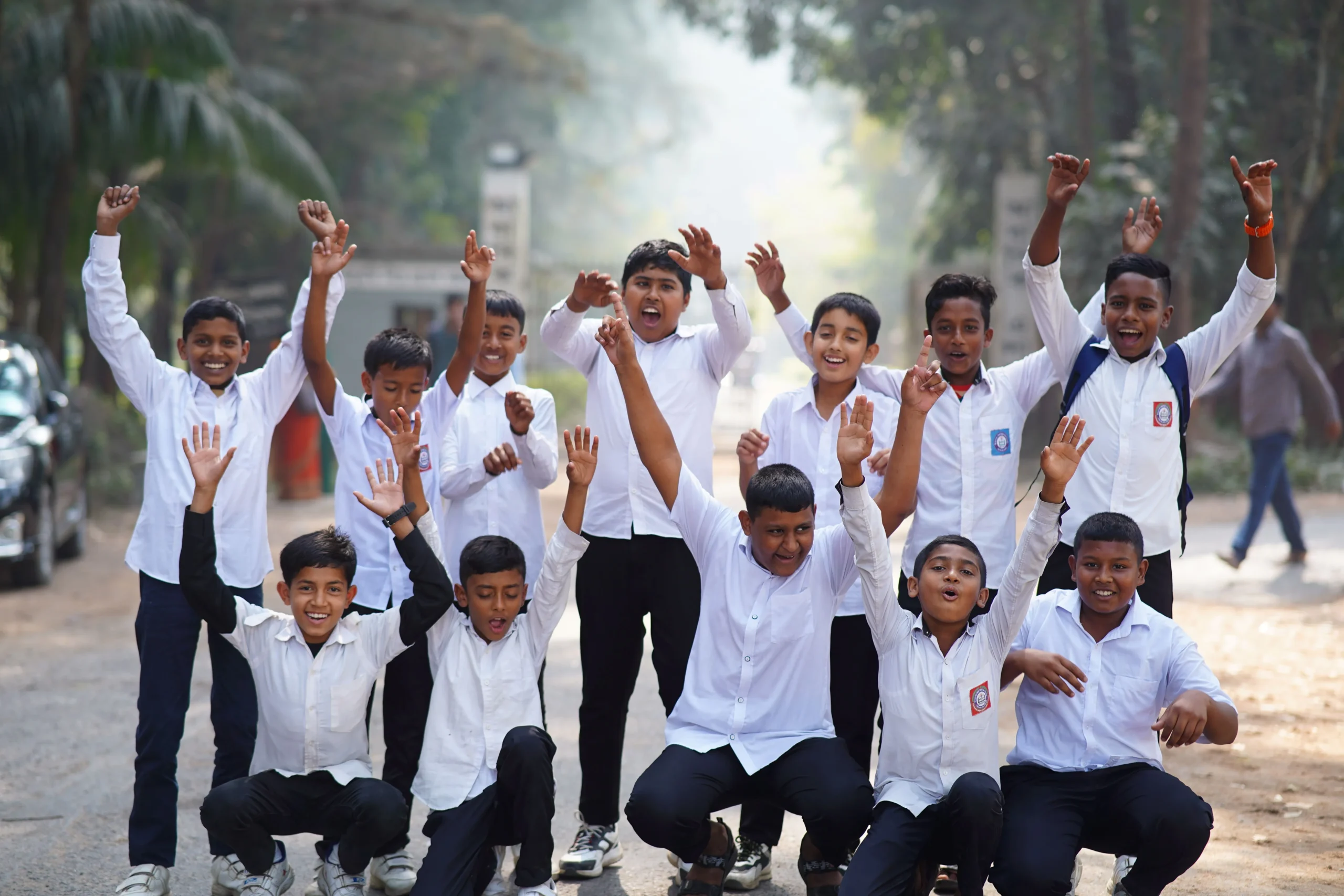
India’s future doesn’t just depend on its leaders—it depends on you, the nation’s youth. Every time you throw trash into a bin, respect public property, or help a stranger, you’re not just being polite—you’re actively building the nation through civic sense. Civic sense means acting responsibly in public spaces out of genuine concern for your community. In a country where roughly 65% of the population is under 35, young people have enormous potential to drive positive change. When students practice civic sense, they prevent pollution and health hazards, create safer, cleaner neighborhoods, and inspire others by example. This essay shows 7 emotional truths about civic sense and practical ways students across India can take action today.
What Is Civic Sense? (And Why It Matters for India’s Youth)
Civic Sense for Youth refers to the social responsibility and ethics that every citizen should follow to keep society running smoothly. It’s not about being watched—it’s about caring. In India’s context, this is crucial: with 65% of Indians under age 35, youth engagement is vital for nation-building. Simple acts of civic sense have real benefits. For example, disposing of waste properly prevents water and soil contamination and reduces disease risk. A single plastic bottle tossed on the road can choke a drain or pollute groundwater, leading to illnesses like cholera or malaria. Conversely, picking up litter—even if it’s not yours—helps stop these problems at the source.
When students live civic values, they do more than keep neighborhoods clean: they set the tone for others. Acts of respect (like not vandalizing public buses) protect shared resources, and orderly behavior (like waiting your turn in line) creates a culture of mutual respect. Youth who follow these principles show pride in their communities, and this pride is contagious. In India’s young democracy, everyday civility builds trust among citizens and strengthens institutions. As one Rajya Sabha MP has noted, India’s population skews remarkably young, with nearly two-thirds under the age of 35. This means young people can carry the spirit of civic sense into politics and policy by staying informed, voting, and demanding accountability. In short, civic sense is about valuing your community: every small gesture contributes to a healthier, safer, and more united India.
7 Emotional Truths About Civic Sense for Youth in Bihar
1. Clean Streets Start With You
Litter on the street isn’t just ugly—it harms people and animals. Each time you carelessly drop a plastic bottle or wrapper, it can clog drains, cause floods, and contaminate water. Civic sense isn’t about being perfect; it’s about choosing care over convenience. Tossing that bottle into a bin may not get thanks, but it keeps neighborhoods cleaner and reduces disease spread. When one student quietly picks up trash, others notice. Your choice to clean up can spark a chain reaction that makes your entire street a healthier place.
2. Public Property Is Our Property
Buses, walls, parks—they belong to the community, not to vandals. Scrawling on walls or breaking bus seats doesn’t show rebellion; it steals from your own future. Every time a student protects public assets, it sends a message: “This is my nation too, and I care.” When youth respect public property, community spaces last longer and everyone benefits. This responsibility deepens emotional ownership: when you feel that Bihar’s temples, streets, and libraries are as much yours as anyone else’s, you’ll naturally guard them with pride.
3. Queue Culture = Respect Culture
Patience isn’t weakness; it’s respect. In India, skipping lines might seem common, but it undermines trust. When you wait your turn at a ticket counter or doctor’s office, you silently tell those around you that their time matters, too. Small acts of orderliness build a “respect culture.” Each time a student reminds a friend to stand in line or calmly waits, they reinforce the idea that fairness and empathy are fundamental. This shared courtesy makes everyday life smoother for everyone.
4. Noise Pollution Hurts More Than You Think
Honking endlessly, blasting loud music at night, or shouting on streets isn’t “normal”—it’s stressful and unhealthy. Research shows that chronic noise pollution is a serious health hazard. Exposure to constant loud sounds can cause sleep disturbances, raise blood pressure, and even contribute to heart disease. For children and teens, it can increase stress and reduce concentration. Civic sense means tuning down your noise so others can breathe easy. By lowering the volume out of respect, you help build a calmer, healthier city where people and even wildlife can thrive.
5. Helping Strangers Builds Trust
Kindness costs nothing but can change everything. Simple acts—holding a door, guiding an elderly person across the road, offering notes to a sick classmate—slowly rebuild the social fabric. Every time a young person helps a stranger, they’re weaving threads of trust in a community. In a world so often divided by language, region, or class, kindness is resistance to indifference. When classmates see you being generous with time and compassion, they’re more likely to do the same. Such micro-moments of help multiply fast, creating neighborhoods where people watch out for each other.
6. Voting Starts With Awareness
Civic Sense for Youth in Bihar isn’t just about trash and queues—it’s also about knowing your rights and responsibilities. The first step toward a better nation is an informed youth. When students read up on issues, discuss politics, and question injustice, they learn to vote wisely. India’s youth demographic is a game-changer for democracy: with one of the largest adolescent populations in the world, young voters can shape policy. Each informed vote is an act of civic sense. By treating voting as a responsibility—just like keeping streets clean—young citizens ensure their concerns (education, jobs, environment) gain attention at higher levels.
7. Your Actions Inspire Others
Never underestimate your example. One student picking up litter can spark a school campaign; one youth volunteer talking to peers can create a social media movement. Civic Sense spreads by influence. When you lead by example—whether it’s organizing a classroom recycling drive or simply refusing to join in littering—your circle starts noticing. Your actions say, “If I care about this, maybe you should too.” Over time, thousands of small acts by students unite into a wave of change. As more young people join in, what starts as a single effort becomes a community of changemakers working to build a better India.
How Youth in Bihar (and Across India) Are Already Leading
Youth energy in action is already changing Bihar and the nation. Students and volunteers are:
- Organizing Cleanliness Drives: From school campuses to local markets, youth groups regularly conduct Swachh Bharat (Clean India) campaigns, with thousands of student volunteers removing trash at historical and public sites nationwide.
- Promoting Digital Literacy: College students and NGOs hold workshops teaching elders basic internet and smartphone skills, empowering rural communities and closing the digital divide.
- Running Blood Donation Camps: Young volunteers partner with blood banks to host donation events, saving lives and raising health awareness among students.
- Advocating Social Causes: Youth-led forums discuss women’s safety, gender equality, and education reform, creating awareness through posters, webinars, and street plays in universities and on social media.
Organizations like Stand For Bihar are channeling this energy into structured impact. Founded by young Biharis, the group runs petitions and campaigns on education, the environment, and more. Stand For Bihar volunteers have distributed thousands of saplings and educated thousands of students through local projects, showing how youth contribution becomes a force for progress in Bihar.
“We don’t need a few perfect activists. We need millions of imperfect citizens trying.”
This reminder holds true today: Civic Sense for Youth in Bihar is about collective effort, not perfection.
Action Plan: 5 Steps to Practice Civic Sense for Youth in Bihar, Today
- Carry a Mini Trash Bag: Always have a small bag or pouch. Pick up litter you see—even a candy wrapper—and dispose of it properly.
- Say “Thank You”: Acknowledge the people who keep our world clean and moving. Smile and thank sanitation workers, bus drivers, janitors, and helpers.
- Report Issues Promptly: See a broken streetlight or overflowing garbage? Use local apps or call municipal helplines, or drop a note to your ward office.
- Join or Start a Youth Group: Band together with friends or classmates around a cause—campus cleanups, traffic awareness, tutoring neighbors.
- Donate or Volunteer with NGOs: Use your time and money to support bigger projects. Stand For Bihar and similar NGOs welcome volunteers and donors.
Why Your Contribution Matters (And How to Start)
Every rupee donated, every hour volunteered, every social-media post shared—it all adds up. Small contributions are vital to nonprofits: they diversify funding and encourage more people to give. Young donors, even those contributing modest amounts, form the backbone of sustainable funding, because they’re likely to give again once they see impact. In other words, you don’t have to be rich to help—consistency and care make the difference.
Stand For Bihar connects passionate youth with real problems. Whether you have a question, an idea, or want to volunteer, their team is ready to listen. Ready to contribute? Donate or volunteer with Stand For Bihar and join a movement of young Indians building a better Bihar—and a better India.
FAQ: Civic Sense for Youth in Bihar & Your Contribution
What is the best example of civic sense?
A great example is picking up litter even when it’s not yours. Many Indians criticize poor cleanliness standards yet still litter in public spaces. A student who quietly picks up trash or cleans a shared area (like a classroom or park) is practicing top-notch civic sense.
How can students promote civic sense in schools?
Students can form eco-clubs or awareness groups, organize cleanliness drives on campus, put up posters about respecting school property, mentor juniors on good habits, and lead by example. Even a pledge ceremony or a quiz on civic responsibilities can inspire peers.
Why is civic sense important for nation-building?
Because a nation’s strength lies in everyday actions, not just big policies. Each act of civic sense—like conserving water, helping neighbors, or voting conscientiously—is a small vote for a better society. Over time, these daily actions accumulate into clean streets, respectful citizens, and engaged voters, creating a healthier democracy and stronger economy.
How can I support youth-led NGOs in Bihar?
You can donate, volunteer your time, or simply spread the word. Online donations, even small ones, bolster their projects immediately. Volunteering at events or on social media amplifies their reach. Every bit helps generate big change over time.
Conclusion: The Nation You Want Starts With You
Civic sense isn’t just a lesson in school—it’s a lifestyle. It’s choosing to do the right thing when no one’s watching. It’s believing that your small acts truly matter. India doesn’t need superheroes. It needs each of us—awake, aware, and ready to act. By living with civic pride today, you light the path for millions to follow. Together, through millions of ordinary choices, you can build the extraordinary nation of tomorrow.
