
Why Accountability Can’t Be a One-Sided
Trust in institutions is slipping worldwide. The 2025 Edelman Trust Barometer found that 61% of people globally now feel moderate to high grievance toward government and business, a sign that citizens increasingly feel systems aren’t responding to their needs. Meanwhile, Transparency International’s 2025 Corruption Perceptions Index shows the global average score has fallen to 42 out of 100 for the first time in over a decade, with 122 of 182 countries scoring below 50 – meaning most governments are still failing to control corruption in any meaningful way.
It’s easy, and often justified, to point fingers at leaders. But real accountability doesn’t stop at the government’s door. Shaming officials on social media or blaming “the system” feels satisfying, but it rarely fixes anything on its own. Accountability is a shared discipline – it has to run both ways, from the state down to its institutions, and from every citizen up through their own daily choices and duties.
What Governments Owe Their People
Global watchdogs are consistent on what real government accountability looks like. Transparency International’s research points to a clear blueprint: independent justice systems, real oversight of public spending, transparent political financing, and protection of press freedom and civic space. Where governments restrict these freedoms, corruption tends to follow – the same 2025 report found that 36 of the 50 countries with the steepest corruption declines had also restricted civic freedoms in that period. Journalists investigating corruption are murdered almost exclusively in the lowest-scoring countries.
The UN’s own tracking of Sustainable Development Goal 16 (peace, justice and strong institutions) reflects the same gap: across 83 countries surveyed, only 44% of people believe their political systems are responsive and that their voice genuinely matters in decision-making. Closing that gap requires governments to open up – publishing budgets, honestly tracking public expenditure, and giving independent bodies room to investigate wrongdoing without interference.
What Citizens Owe Their State
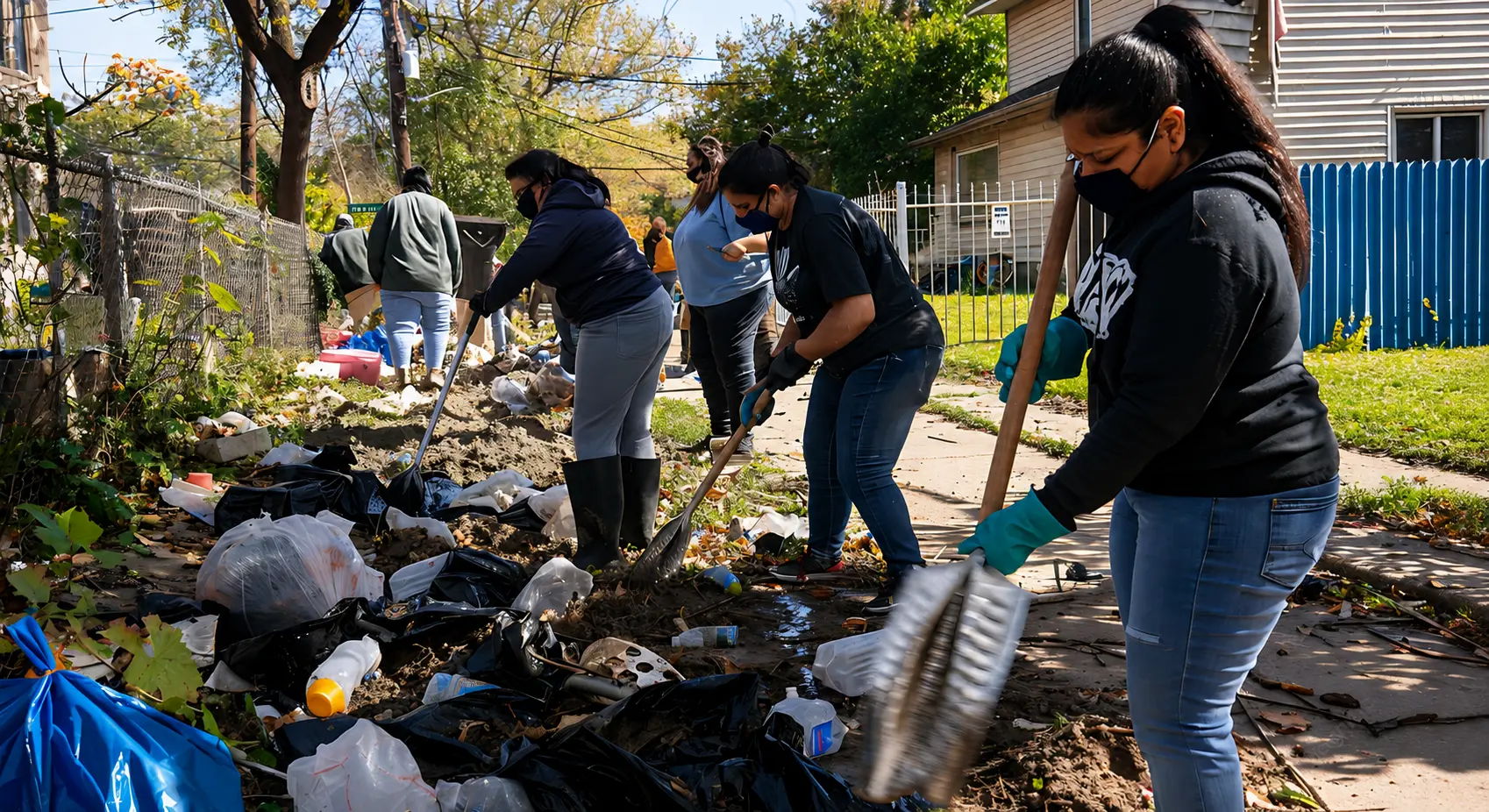
Governance researchers describe this second half of the equation as “social accountability” – the idea that ordinary citizens and civil society groups have real tools to hold power to account, and a responsibility to use them constructively. That includes participatory budgeting, honest public feedback, community monitoring of local services, and simply engaging with institutions rather than disengaging from them. Passive complaining isn’t civic participation – showing up, following through, and contributing your part of the social contract is.
This is where individual responsibility comes in, regardless of profession:
- Students: Attend, learn, and question honestly – an informed citizen starts as an informed student. Skipping civic responsibility now becomes skipping it as an adult.
- Doctors: Accurate diagnoses, honest patient communication, and refusing shortcuts protect public trust in an entire health system, not just one clinic.
- Teachers and professors: Grading fairly, teaching critical thinking rather than blind compliance, and modeling integrity shapes how the next generation treats accountability altogether.
- Farmers: Following safety and quality standards, and reporting resource misuse (water, subsidies, land), keeps the whole food chain trustworthy.
- Politicians: Disclosing conflicts of interest, honoring campaign promises, and welcoming independent audits rather than fighting them – accountability starts by not resisting scrutiny.
- Businesspeople: Paying fair taxes, following labor and environmental law, and refusing to bribe officials removes the demand side of corruption, not just the supply side.
- Common citizens: Paying taxes honestly, voting, reporting corruption through legitimate channels, and holding neighbors and local leaders to the same standard you expect from national ones.
The Cost of a One-Sided Blame Game
CIVICUS, the global civil society alliance, notes in its most recent State of Civil Society report that unaccountable power is on the rise in many parts of the world, with a growing number of countries actively narrowing civic space through restrictive NGO laws and protest crackdowns. Ironically, this often happens precisely because citizen participation weakens into noise – outrage without follow-through – giving those in power room to dismiss criticism instead of act on it.
Constructive accountability looks different. Bangalore’s Citizen Report Cards, an early social accountability experiment cited by governance researchers, showed that structured, respectful public feedback on service delivery led to measurable performance improvements in public agencies – proof that accountability works best as a collaboration, not a shouting match.
Building a Culture of Shared Accountability
A healthy state isn’t one where citizens shame the government into submission, or one where the government polices its citizens into silence. It’s one where both sides treat their responsibilities as non-negotiable:
- Governments commit to transparency – open budgets, independent oversight, and protection for whistleblowers and journalists.
- Citizens commit to participation – voting, paying dues honestly, reporting wrongdoing through proper channels, and doing their own jobs with integrity.
- Both sides commit to dialogue over blame – using report cards, public consultations, and independent audits instead of pure outrage.
Accountability isn’t a single arrow pointed at the top. It’s a loop – and every profession, every citizen, and every institution is a link in that chain. When any one link decides accountability is “someone else’s job,” the whole system weakens.
